Portugal is Europe's best-value destination — world-class wine, stunning coastline, unbelievable food, and half the cost of Spain or France. Here is how to do it right.
Most people who visit Portugal say the same thing afterward: I should have come sooner.
Not because it's undiscovered — it isn't. But because nothing really prepares you for how good the wine is at €2 a glass, how cheap the food is relative to the quality, or how the light in Lisbon hits the city in the late afternoon in a way that genuinely stops you. Barcelona was like this in the early 2000s. Lisbon feels like that right now.
This guide covers the three regions that matter: Lisbon, Porto, and the Algarve. What to skip, where to eat, how to get between them, and the things you won't find on a tourism board website.
Getting there
From the US, TAP Air Portugal, United, and Delta fly direct from New York (JFK/EWR) and Boston to Lisbon. Seven to eight hours. Book two to three months ahead and you'll regularly find round trips under $500. TAP also runs a stopover program that lets you add a free night in Lisbon when connecting to another European city — worth knowing if you're routing through anyway.
From Europe, both Lisbon and Porto are served by every major budget carrier. Ryanair and EasyJet run €20–€60 flights from London, Paris, Madrid, and Barcelona.
Lisbon to Porto is three hours by high-speed train (€30–€50). The better option if you have time is renting a car and driving the N2 coastal road — four hours with stops, one of the great drives in Europe. Lisbon to the Algarve is three hours by train to Faro or Lagos (€25–€35).
Lisbon
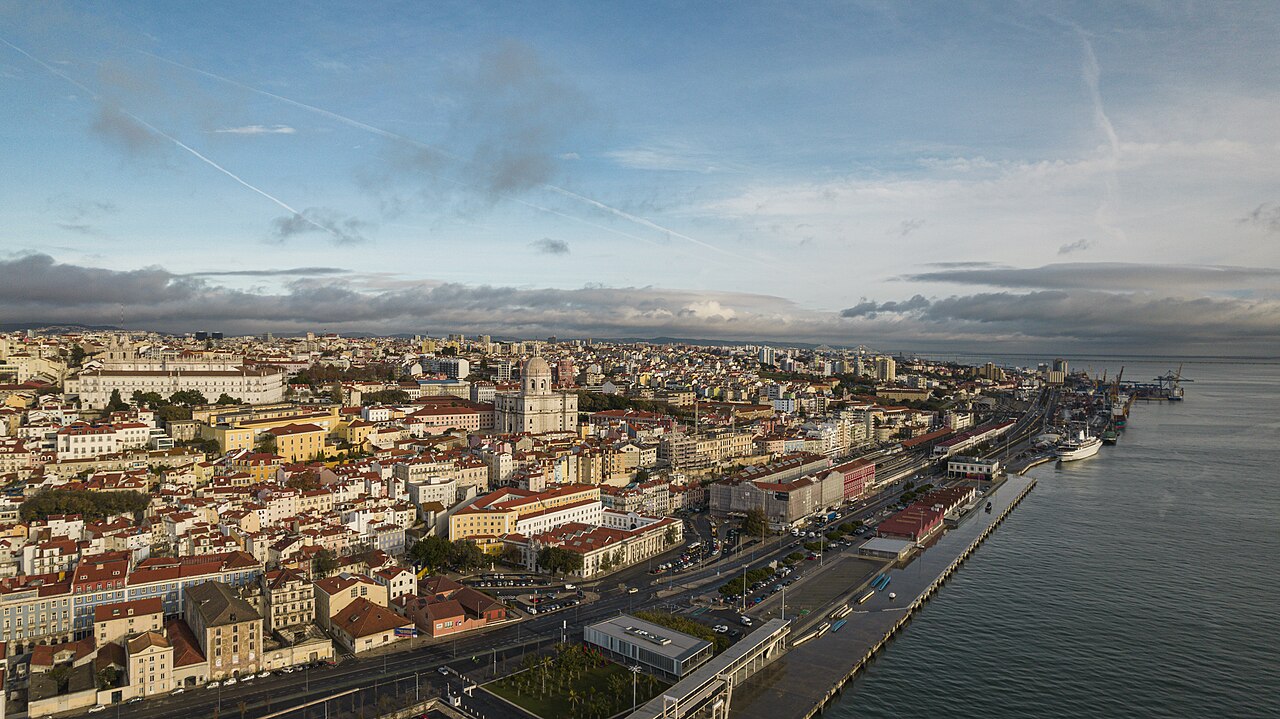
Lisbon shouldn't work. It's built on seven hills, the streets are a maze of cobblestones that destroy your shoes, the trams are chronically late, and half the city seems to be under construction at any given moment. And yet it's consistently one of the most compelling cities in Europe. The food is exceptional and cheap. The music is genuinely haunting in the right places. Give it three days minimum.
Where to stay
Chiado and Bairro Alto is the right base for most people. Central, walkable, good restaurants and bars in every direction. Chiado is the upscale half — boutiques, cafés, bookshops. Bairro Alto is where Lisbon's nightlife lives: bars open until 3 AM, street drinking is normal and legal. Hotels in Chiado run €120–€220 a night and the location earns every cent.
Alfama is Lisbon's oldest neighborhood — narrow alleys, laundry strung between buildings, fado coming out of open doorways at night. Atmospheric and genuinely beautiful, but hilly and inconvenient for getting around. Stay here if you want to feel like you actually live in Lisbon.
Príncipe Real is quieter and more design-forward — rooftop bars, antique markets on Saturdays, the best brunch spots in the city.
What to do
Tram 28 is worth riding once, early in the morning or after 8 PM when tourists aren't packed into it. It climbs through Alfama and Graça to Estrela, and the views through the windows are worth it. €3 per ride.
São Jorge Castle sits at the top of Alfama with panoramic views over the city and the Tagus River. €10 to get in. Go at sunset. Bring wine from the mini-market at the bottom.
LX Factory is a former industrial complex turned into a creative hub — independent bookshops, street food, Sunday market, rooftop bars. Free entry. Sunday is the best day to go.
Jerónimos Monastery in Belém is UNESCO-listed, with Manueline architecture that stops you mid-sentence. €10 entry. Buy tickets online to skip the queue.
For context on the city before you start exploring on your own, a walking tour of Lisbon's hilltop neighborhoods takes about three hours and costs around €20. The history makes everything else make more sense.
Local secret: Skip the famous custard tart queue at Pastéis de Belém — 45 minutes in summer — and go to Manteigaria in Chiado instead. Same quality, no wait, better location. Get them warm. €1.30 each.
Beyond the tourist trail
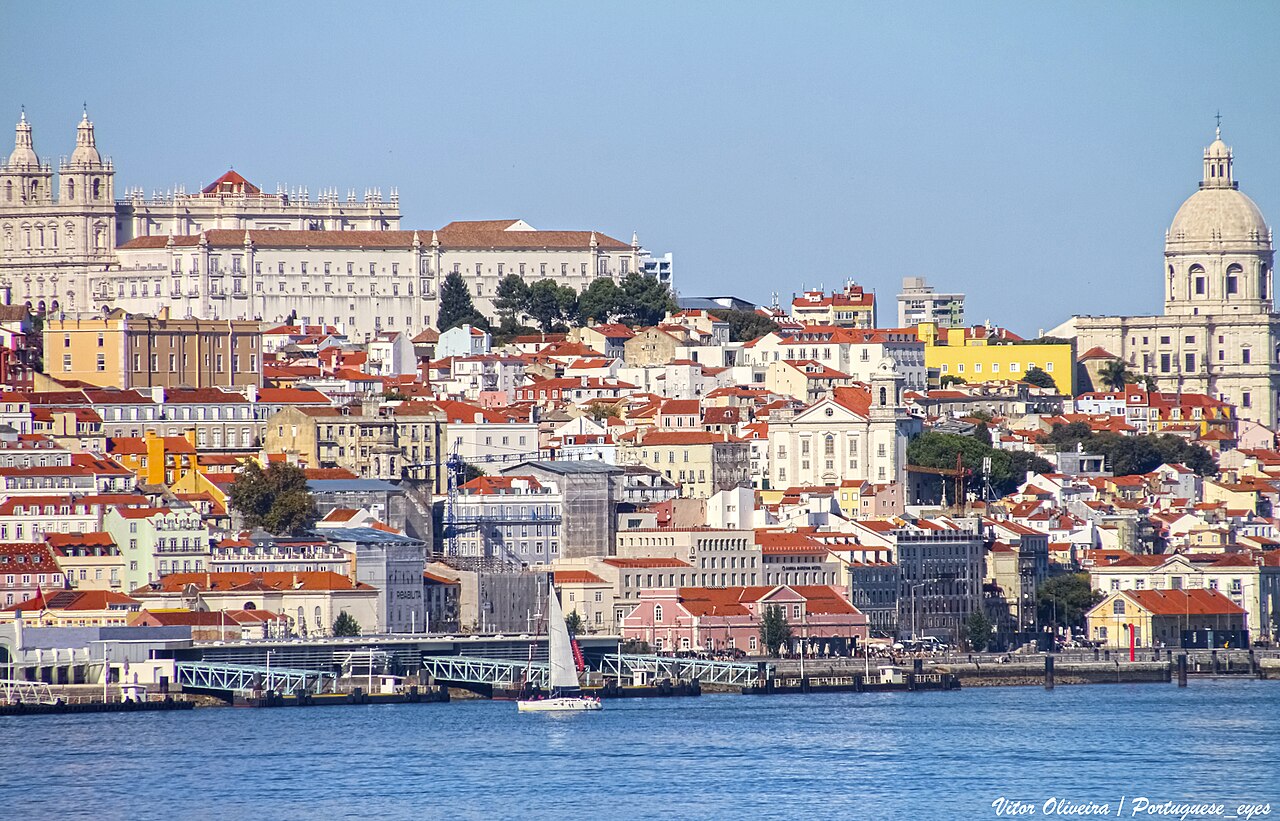
The Mouraria neighborhood sits just below São Jorge Castle and is where fado was born. The small restaurants along Rua da Mouraria serve some of the most honest Portuguese food in the city. O Corvo does petiscos (Portuguese tapas) that change daily. Around €20–€30 a person and no tourist in sight.
The Mercado de Arroios — not Time Out Market — is where Lisbon's immigrant communities and locals actually shop on weekend mornings. African, South Asian, and Portuguese stalls together, cheap food, no tour groups.
Where to eat
The Sintra day trip
An hour by train from Lisbon (€2.50 each way), Sintra is a UNESCO village in the hills with a concentration of palaces and estates that seems excessive until you actually see them. Pena Palace looks like it was designed during a fever dream — bright yellow and red on a hilltop above the clouds. Quinta da Regaleira has underground tunnels and an inverted tower that descends into the earth. Give it a full day.
A guided Sintra day trip from Lisbon runs around €35 and includes transport and skip-the-line access — in summer the queues are brutal enough that this pays for itself.
Porto
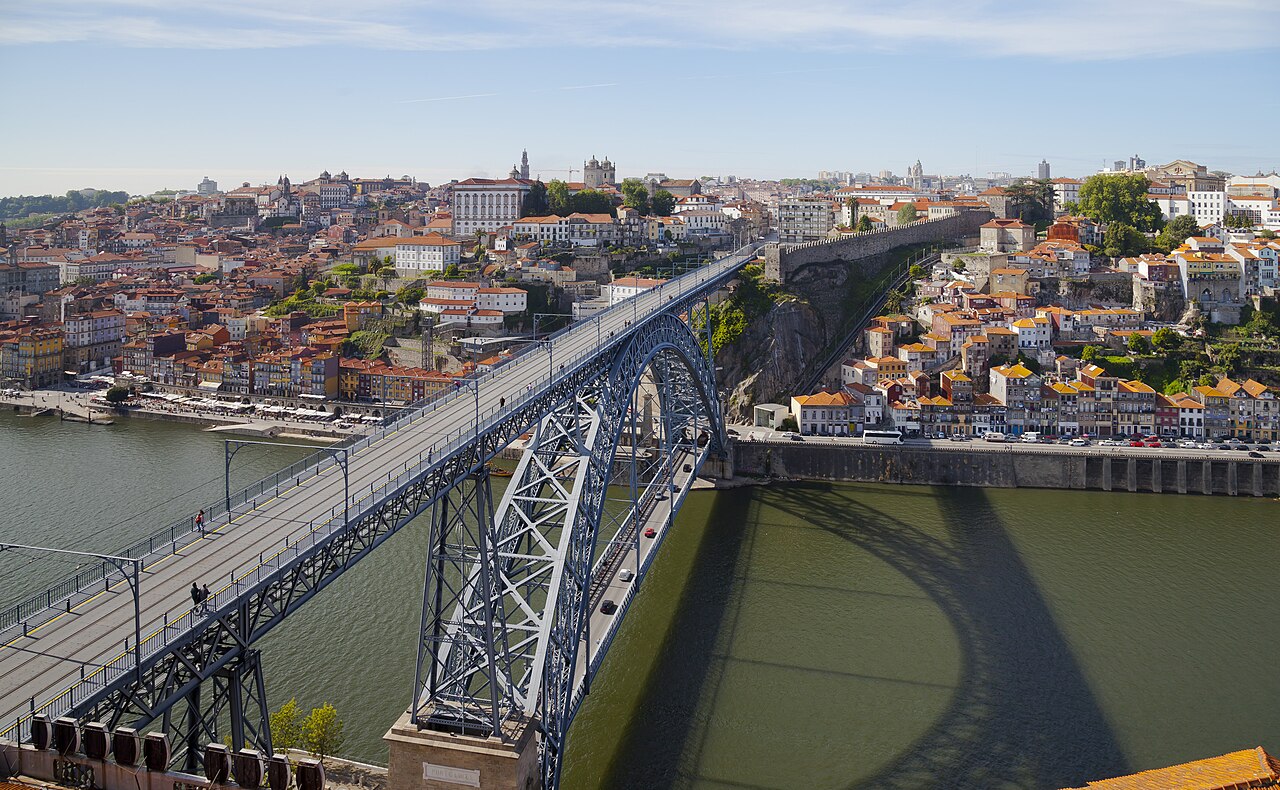
Porto is what Lisbon was a decade ago: less polished, more genuine, cheaper. The city climbs steep hillsides above the Douro River, the buildings are covered in azulejo tile going from pristine blue-and-white to crumbling and moss-covered, and the main industry is still, fundamentally, port wine.
You can cover the center in two days. Give it three and you'll understand why people move here.
Where to stay
Ribeira, the old town along the river, has colorful buildings, outdoor restaurants, and the double-deck Luis I Bridge a short walk away. Hotels in Ribeira start around €90 a night for something decent.
Baixa/Aliados is central Porto — walkable to everything, close to São Bento station.
Foz do Douro is where Porto meets the Atlantic. Quieter, residential, worth it if you want a slower pace or a morning swim in the ocean.
What to do
The port wine tastings are the reason most people come to Porto, and they hold up. Cross the Luis I Bridge into Vila Nova de Gaia, where every major port house has its cellars — Graham's, Taylor's, Sandeman, Ferreira. Tastings run €10–€20 for three to five ports, usually with a cellar tour. Book a port wine cellar tour in advance for the better houses — they fill up on weekends.
Livraria Lello is legitimately one of the most beautiful bookshops in the world. Art nouveau interior, sweeping staircase, stained glass ceiling. €5 entry (refunded with any purchase). Go at 9 AM when it opens.
São Bento Train Station is free to walk through and worth ten minutes — 20,000 azulejo tiles covering the walls, depicting Portuguese history. Walk in, look up, walk out. No ticket required.
Clérigos Tower — 240 steps up, best panoramic views in Porto. €6 entry.
Local secret: Café Majestic on Rua de Santa Catarina is tourist-famous but still worth a coffee at the marble bar just to see the interior. Then walk two blocks to Café Guarany for a second coffee where locals actually sit. It's been there since 1933. €1.20 for an espresso. Nobody will ask if you're enjoying your stay.
Beyond the tourist trail
Bonfim and Campanhã are Porto's eastern neighborhoods — cheaper food, more honest, slowly gentrifying. The Saturday market at Mercado do Bom Sucesso has good produce and a few solid food stalls.
The Douro Valley, an hour east of Porto, is where all the port wine actually comes from — terraced vineyards on steep hillsides above the river, wine estates (quintas) open for tastings and lunch. A Douro Valley wine tour from Porto runs around €65 and includes transport, two or three quinta visits, and lunch. One of the best day trips in Europe.
Where to eat
The Algarve
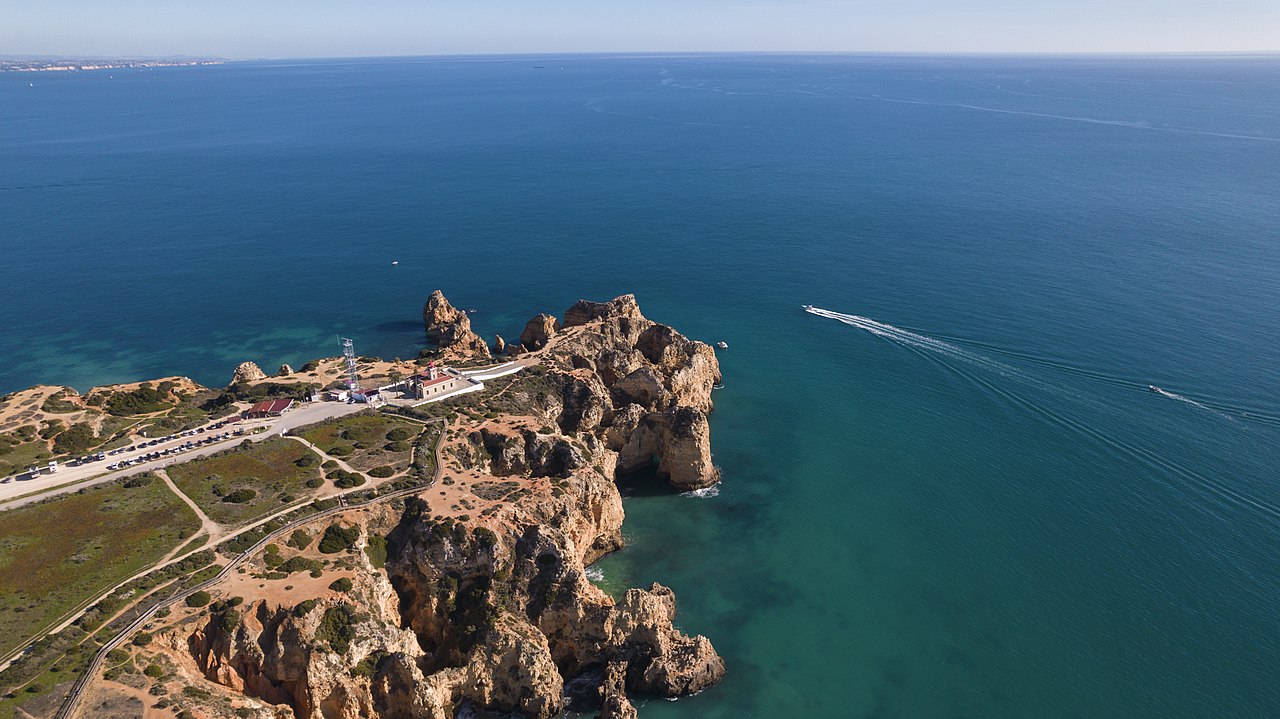
The Algarve has the best coastline in Western Europe that most Americans have still barely heard of. Ochre and amber limestone cliffs carved into sea caves, arches, and hidden coves. Wide beaches, clear water, and from September through October — when the summer crowd has cleared out — you can have long stretches of it nearly to yourself.
July and August are mobbed, mostly with British and German tourists. If you're going in peak season, book everything two months ahead and set your expectations accordingly.
Which town to base yourself in
Lagos is the right base for most people — surf-town energy, the best beaches within walking distance, cheap accommodation, bars that stay open late. The Ponta da Piedade cliffs are a 20-minute walk from the center and are among the most dramatic coastal scenery in Europe.
Tavira is the alternative for couples or anyone wanting history over nightlife. Beautiful historic center, quieter beaches on an island you reach by ferry, great seafood.
Sagres is the end of the continent — literally. Windswept, remote, dramatic cliffs, serious surf. Go if you want atmosphere over amenities.
Skip Albufeira unless British-resort nightlife is specifically what you're after.
Beaches worth the trip
Praia da Marinha (near Lagoa) — the postcard shot. Turquoise water, limestone arches, sea caves accessible from the beach. Arrive by 8 AM in summer or accept crowds.
Praia Dona Ana — sheltered cove in Lagos, calm water, dramatic rock formations on three sides.
Praia do Camilo — tiny beach accessed by a wooden staircase. Feels secluded even in July.
A boat tour to the Ponta da Piedade sea caves costs around €20 and is genuinely worth it — the caves are only accessible by water and they're extraordinary. Hotels in Lagos range from €80 a night for a clean guesthouse to €250+ for something with a pool. September gives you warm water and reasonable rates.
Local secret: Eat at Dom Sebastião in Lagos. It's been there forever, full of locals at lunch, grilled fish for €14 that's better than most things you'll eat anywhere in Portugal. The tourist restaurants on the marina charge €35 for the same dish.
Beyond the tourist trail
The Serra de Monchique mountains sit 40 minutes north of Lagos. Most Algarve visitors never go. There's a small spa town (Caldas de Monchique), walking trails, and a medronho distillery where they make local firewater from arbutus berries. A good half-day if you have a car.
Practical notes
Money: Euro. Credit cards work everywhere except very small markets and old-school tascas — carry €50 in cash just in case.
Tipping: 5–10% at restaurants if the service was good. Nobody expects it; everyone appreciates it.
Language: Portuguese, with English widely spoken in Lisbon, Porto, and the Algarve. Learn obrigado (thank you) and uma imperial, por favor (a draft beer, please) and you're covered.
Safety: Portugal is very safe. Pickpockets work Lisbon's Bairro Alto on Friday nights and Tram 28 year-round. Front pocket, zip your bag, done.
Best time to go:
10 days: how to do it
Days 1–3: Lisbon. Alfama, Belém, LX Factory, Chiado, one very late night in Bairro Alto.
Day 4: Sintra — full day. Come back tired.
Days 5–7: Porto. Port wine tastings, Livraria Lello, francesinha at Café Santiago.
Day 8: Douro Valley. Book the wine tour. Have lunch at a quinta.
Days 9–10: Algarve. Lagos base. Ponta da Piedade boat tour, Praia da Marinha, dinner at Dom Sebastião.
Portugal rewards the traveler who goes slightly off-script. The best meal you'll have won't be at the restaurant someone blogged about — it'll be the tiled lunch counter where the daily special is written on a chalkboard and costs €9. The best view won't be the official miradouro. It'll be the one you find by taking the wrong turn uphill.
Go. Then go back.
✈️ Ready to Book? Find Cheap Flights
Book with our travel partners
Compare flights, hotels, and experiences for Bali.
Plan My Trip →
Get a free personalized travel itinerary from our advisors within 24 hours.


