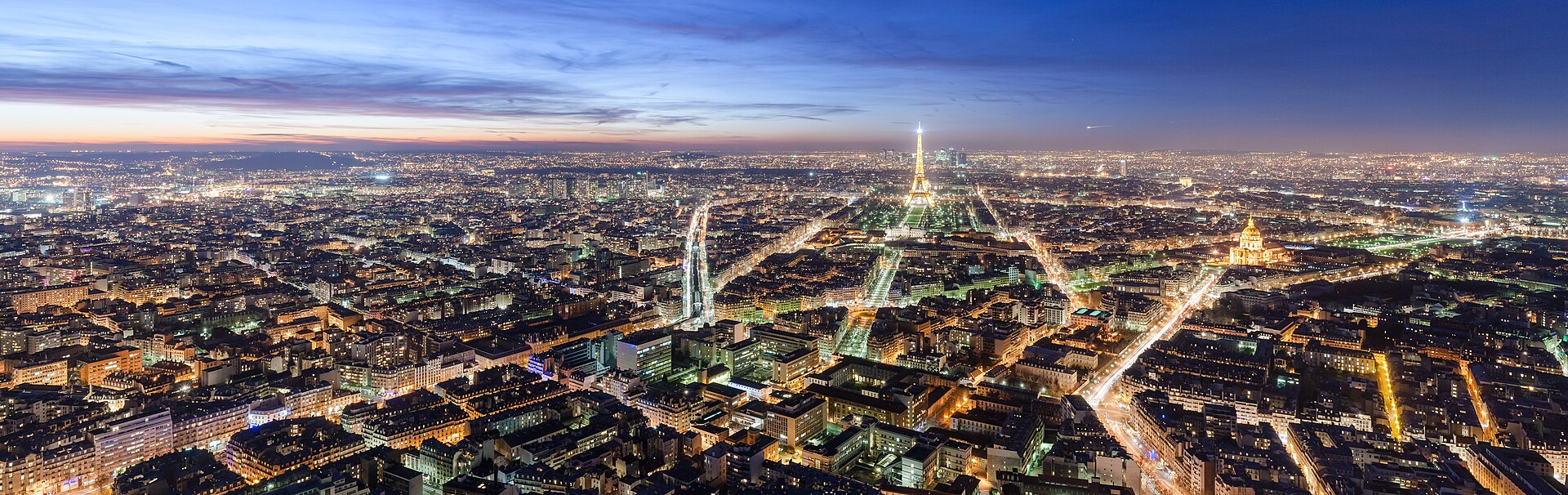
From the neighborhoods nobody tells you about to the restaurants Parisians actually eat at — this is the Paris guide that skips the clichés and delivers the real city.
Most people spend a week in Paris and leave having eaten at tourist restaurants, paid €18 for bad wine near the Eiffel Tower, and missed everything that makes the city worth the flight. Paris rewards the person who knows where to go. It punishes the person following a listicle.
This is the guide for actually doing it right.
Getting there
From the US, Air France, Delta, and United fly direct to Charles de Gaulle (CDG) from New York, Los Angeles, Chicago, and Miami. Flight time is 7–8 hours from the East Coast, 10–11 from LA. Book 6–8 weeks ahead for sub-$700 round trips in economy. The sweet spot for transatlantic fares is Tuesday and Wednesday departures.
From CDG to central Paris, the RER B train takes 35 minutes and costs €11.80. Taxis run €55–€65 fixed rate to the Right Bank, €65–€75 to the Left Bank. Avoid the taxi queue at arrivals — book via G7 or Uber in advance.
From the UK or Europe: Eurostar from London St Pancras to Paris Gare du Nord takes 2 hours 20 minutes and costs £50–£150. Easier than flying when you're already in Europe.
Where to stay
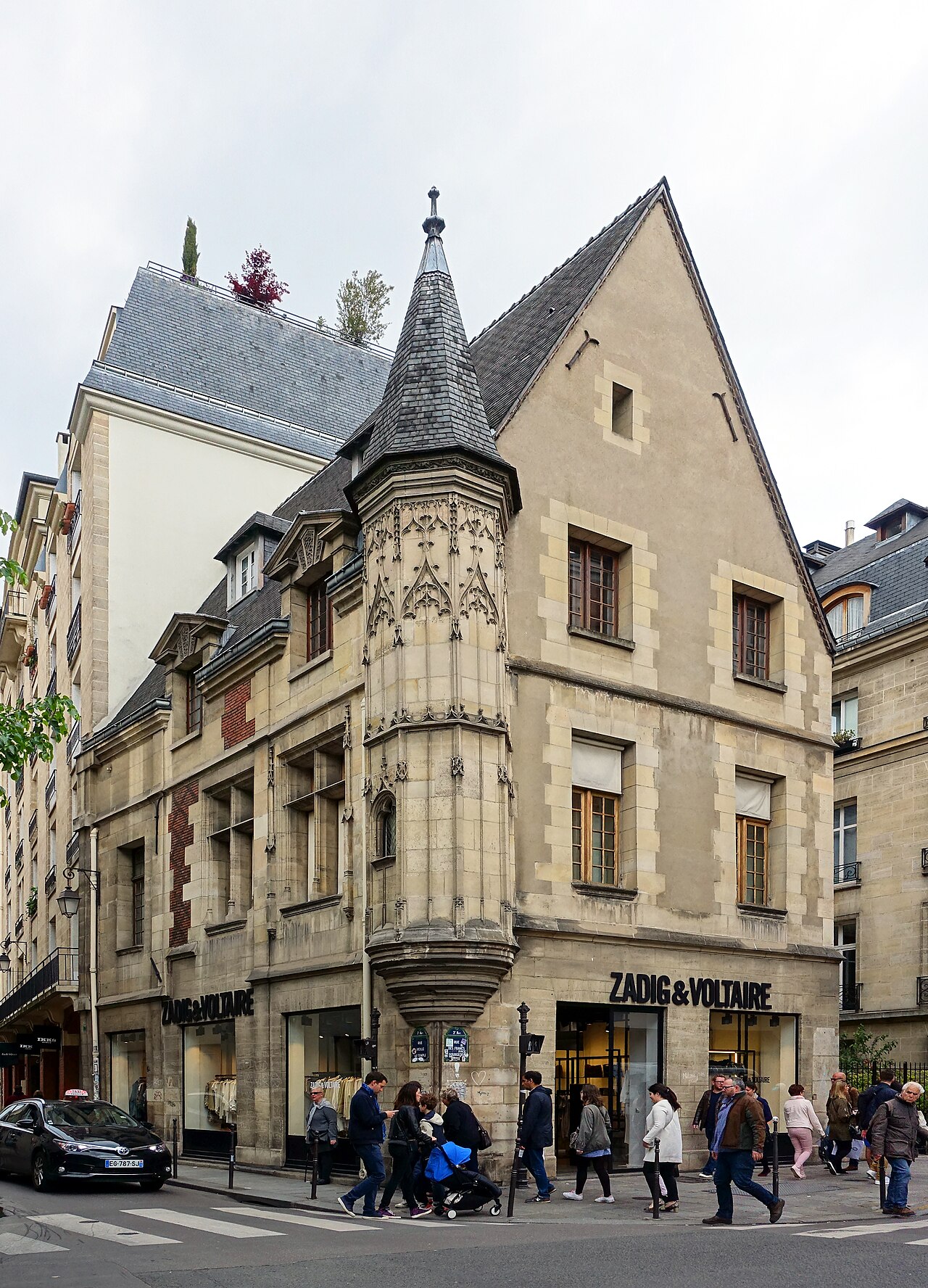
Le Marais (3rd and 4th arrondissements) is the right base for most first-time visitors. It's central, walkable, and has the best mix of historic streets, galleries, and restaurants. The Jewish quarter on Rue des Rosiers, the Place des Vosges, and the Picasso Museum are all within ten minutes on foot. Hotels in Le Marais run €150–€280 a night for a solid mid-range option.
Saint-Germain-des-Prés (6th arrondissement) is the literary Left Bank — Café de Flore, Les Deux Magots, the Jardin du Luxembourg. More upscale, quieter at night. Stay here if you want old Paris without the party. Expect to pay €200–€350 a night.
Bastille (11th arrondissement) is where younger Parisians actually live and eat. Less polished, better restaurants at half the price, the canal Saint-Martin a short walk away. Underrated for visitors. Hotels near Bastille start around €100 a night.
What to do
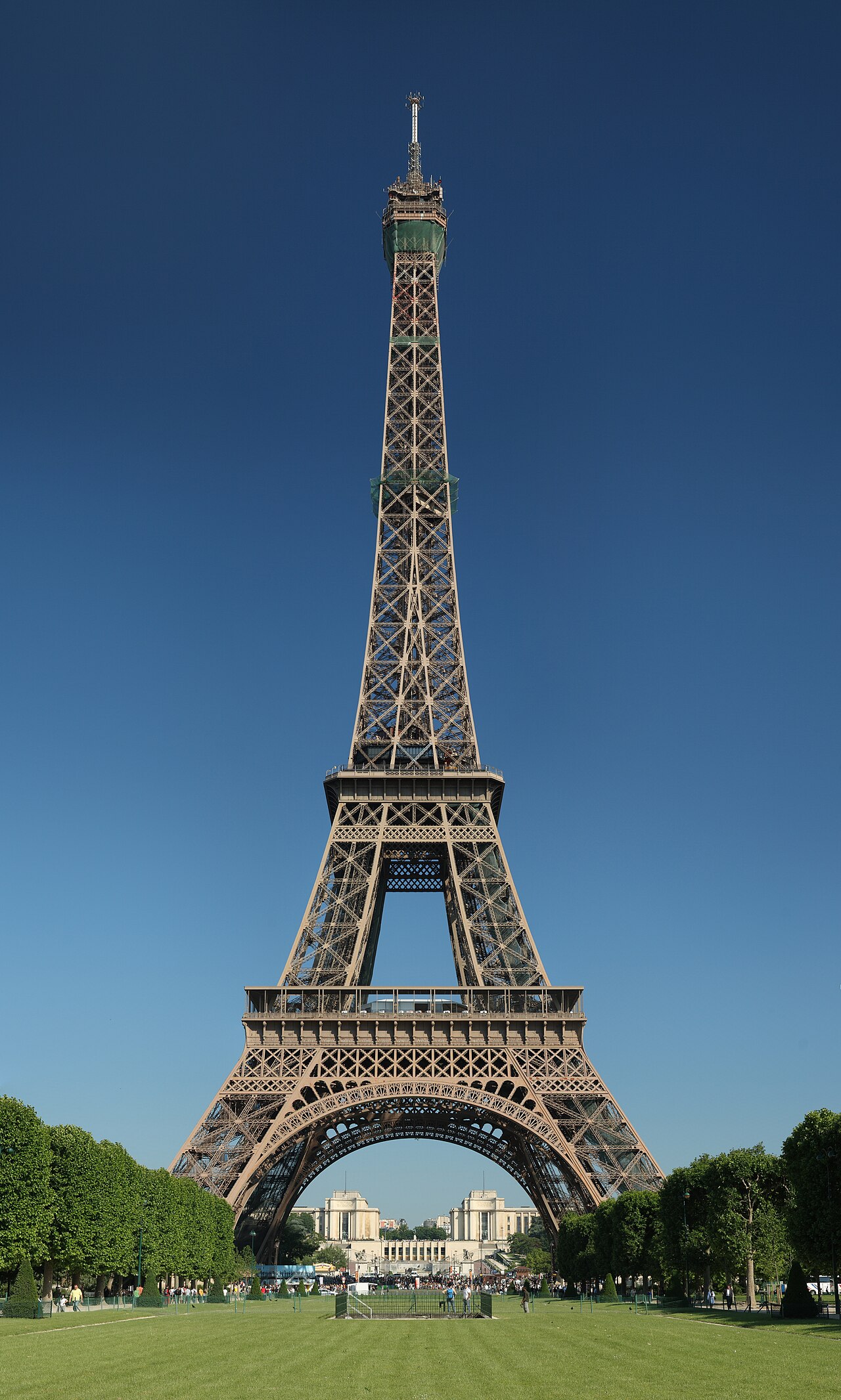
The Eiffel Tower is worth seeing once, from the ground, free. Skip the queues to go up unless you're specifically there for the view. The best view of the tower is from the Trocadéro across the Seine, or from the Champ de Mars on a blanket with wine.
The Louvre needs three visits to do properly. Pick one wing — the French paintings, or the antiquities — and spend two hours. Don't try to see everything. Booking a skip-the-line Louvre ticket is €20–€35 and saves 90 minutes of queuing on busy days.
Musée d'Orsay has the best Impressionist collection in the world — Monet, Renoir, Van Gogh all in one building. €16 entry. Go in the afternoon when the morning crowds have thinned.
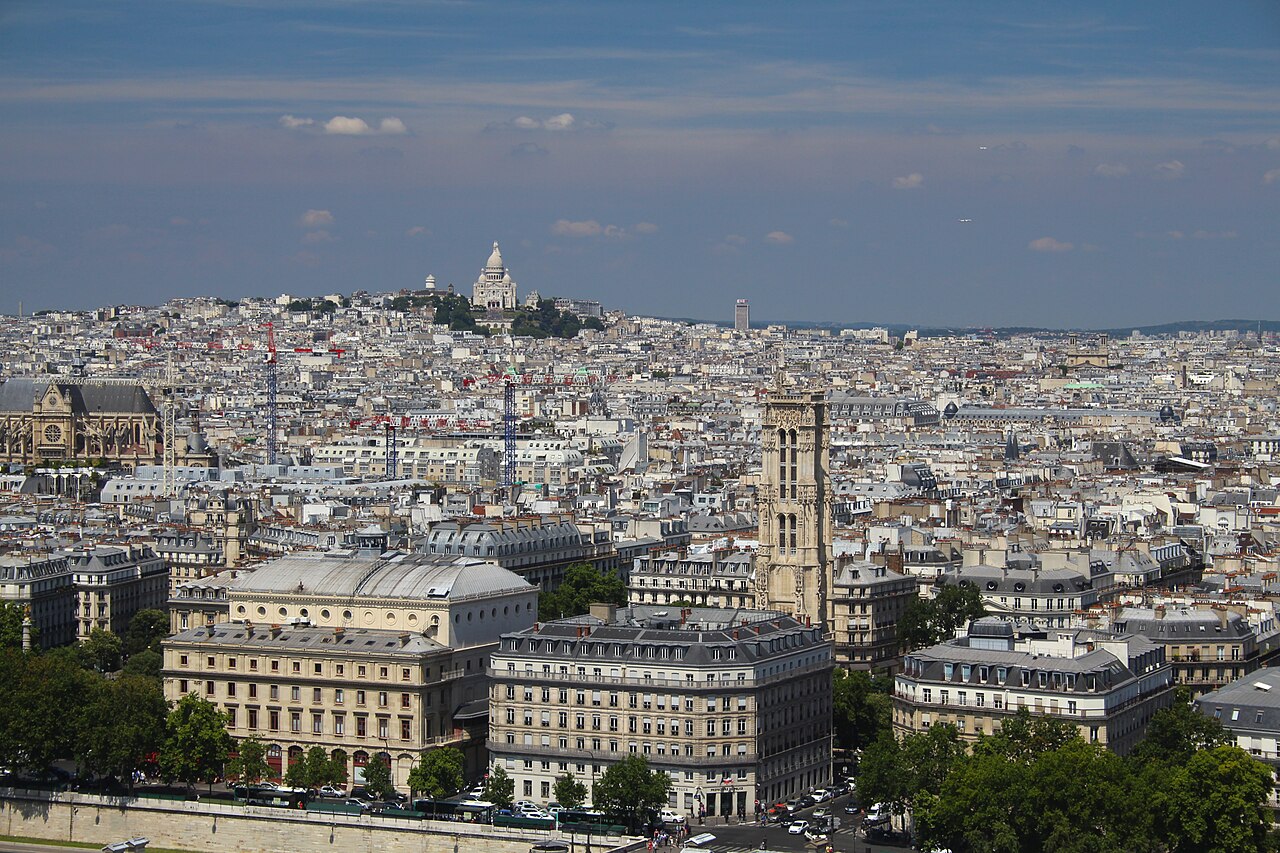
Montmartre is best explored on a weekday morning before 10 AM. The Sacré-Cœur, the vineyard, the Place du Tertre artists. Overrun by tourists at noon. Magical at 8 AM.
Local secret: The Palais Royal gardens are one of the best-kept open secrets in central Paris — a colonnaded courtyard just north of the Louvre with good restaurants, independent boutiques, and almost no tourists despite being five minutes from the most visited museum on earth. Have lunch here instead of near the Louvre.
Beyond the tourist trail
Canal Saint-Martin (10th arrondissement) is what Paris looked like before the Instagram crowds arrived. Iron footbridges over a narrow canal, indie bookshops, natural wine bars, locals eating on the banks in warm weather. Walk from République to the Bassin de la Villette on a Sunday when the roads are closed to cars.
Belleville is Paris's most genuinely multicultural neighborhood — Chinese, North African, and French communities overlapping, street art on every wall, and some of the best cheap food in the city. The Parc de Belleville has the best view of the Paris skyline that nobody talks about.
A food market tour in Paris through the Marché d'Aligre or Marché des Enfants Rouges takes two hours and costs around €35 — worth it if you want to understand how Parisians actually shop and eat.
Local secret: Marché d'Aligre on a Saturday morning is the best food market in Paris and almost entirely free of tourists. It's in the 12th, ten minutes from Bastille — outdoor stalls for produce, a covered market for cheese and charcuterie, and a flea market running alongside. Get there by 9 AM.
Day trip: Versailles
An hour by RER C from central Paris (€7 each way), Versailles is extraordinary and genuinely overwhelming. The Hall of Mirrors alone justifies the trip. Buy tickets online — the queues without them can be two hours. Give it a full day.
A guided Versailles day trip from Paris for around €45 includes skip-the-line access and a guide who makes the history make sense.
Where to eat
Local secret: The best croissant in Paris is not at a famous bakery. It's at whichever small boulangerie near your hotel wins the arrondissement competition that year — look for the yellow "Meilleur Croissant" sign in the window. €1.20. Eat it standing at the counter.
Practical notes
Language: French. "Bonjour" before every interaction — skipping it is considered rude, not efficient. Most people in tourist areas speak English. Learn "l'addition, s'il vous plaît" (the bill, please).
Money: Euro. Cards accepted nearly everywhere. Still carry €20 in cash for markets and small bakeries.
Safety: Paris is generally safe. Pickpockets work the Eiffel Tower, Sacré-Cœur, and the RER B train. Front pocket, zip your bag, done.
Best time:
7 days in Paris
Day 1: Marais — Place des Vosges, Picasso Museum, lunch at L'As du Fallafel, evening at Clown Bar.
Day 2: Louvre (morning), Palais Royal lunch, Tuileries garden, Eiffel Tower at sunset from Trocadéro.
Day 3: Musée d'Orsay (morning), Saint-Germain afternoon, dinner at Le Comptoir.
Day 4: Montmartre (early), Canal Saint-Martin afternoon, Bouillon Pigalle dinner.
Day 5: Versailles — full day.
Day 6: Belleville, Marché d'Aligre (if Saturday), afternoon in the 10th.
Day 7: Whatever you missed. The Luxembourg gardens. A long lunch. A final walk along the Seine.
Paris is not a city you see. It's a city you learn. The first trip you're still figuring out the arrondissements. By the third trip you have a regular café and a boulangerie and a wine bar where they know what you drink. Most people who love Paris are already planning their return before the flight home.
✈️ Ready to Book? Find Cheap Flights
Book with our travel partners
Compare flights, hotels, and experiences for Bali.
Plan My Trip →
Get a free personalized travel itinerary from our advisors within 24 hours.


